
Orthopaedic care · Hubballi
Knee Replacement in Hubballi
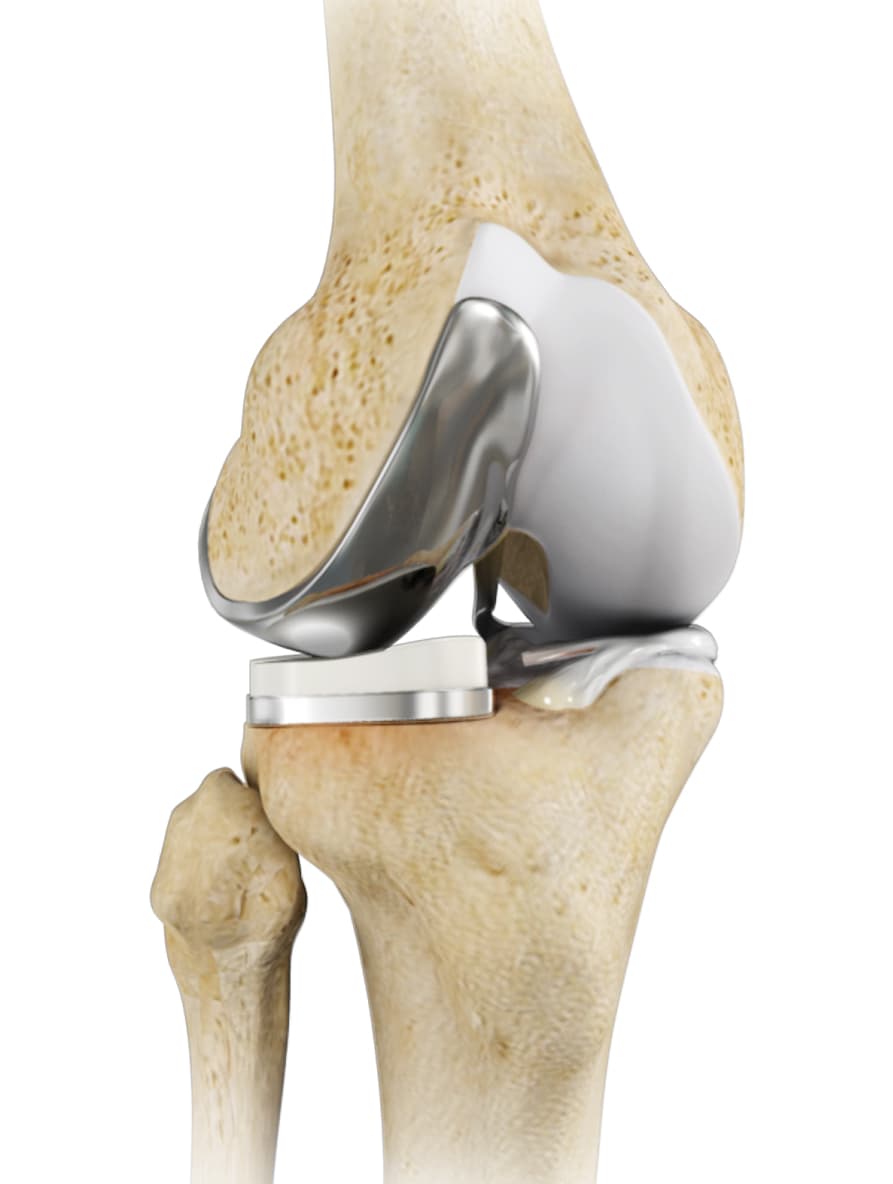
Procedure overview
About Knee Replacement
Knee replacement, also called knee arthroplasty, may be considered when arthritis or other joint damage causes persistent pain, stiffness, or difficulty walking despite non-surgical care. The procedure replaces or resurfaces damaged joint surfaces with an implant; some people may be assessed for partial replacement while others may need total replacement. For people seeking knee replacement in Hubballi, Dr. Vivek Patil can review symptoms, mobility, and imaging, then explain whether surgery or another treatment option may fit their needs. The decision depends on the diagnosis, overall health, and personal goals.
Your care, explained
Planning, Treatment, and Recovery
01 / Assessment
Assessment and Treatment Planning
Planning may include a review of your symptoms, medical history, physical examination, and imaging. Your orthopaedic surgeon can discuss non-surgical alternatives, implant choices, expected benefits, possible complications, and the rehabilitation plan. Recovery varies, and returning to activities is gradual; recommendations are based on your health, diagnosis, and goals.
02 / Goals
Treatment Options and Goals
Depending on the extent of damage, a surgeon may discuss partial or total knee replacement. The aim is to address pain from damaged joint surfaces and support everyday movement; the expected result and suitable implant depend on your individual assessment.
03 / Recovery
Recovery and Rehabilitation
After knee arthroplasty, care commonly focuses on safe mobility, pain management, wound care, and exercises to restore strength and movement. A physiotherapist may guide walking and a progressive home exercise programme. The timing of milestones and return to work or other activities differs for each person, so follow-up and advice from your treating team are important.
04 / Technology
Robotic-Assisted and AI-Supported Care
People searching for robotic knee replacement in Hubballi or AI-assisted knee surgery should know that computer-guided and robotic-assisted systems may support planning and guide bone preparation or implant positioning in selected cases. AI-supported planning tools, where available, assist the surgical team but do not perform surgery independently, replace clinical judgment, or guarantee an outcome. Availability depends on the centre, implant system, diagnosis, and surgeon’s assessment; ask which options are actually offered and appropriate for you.
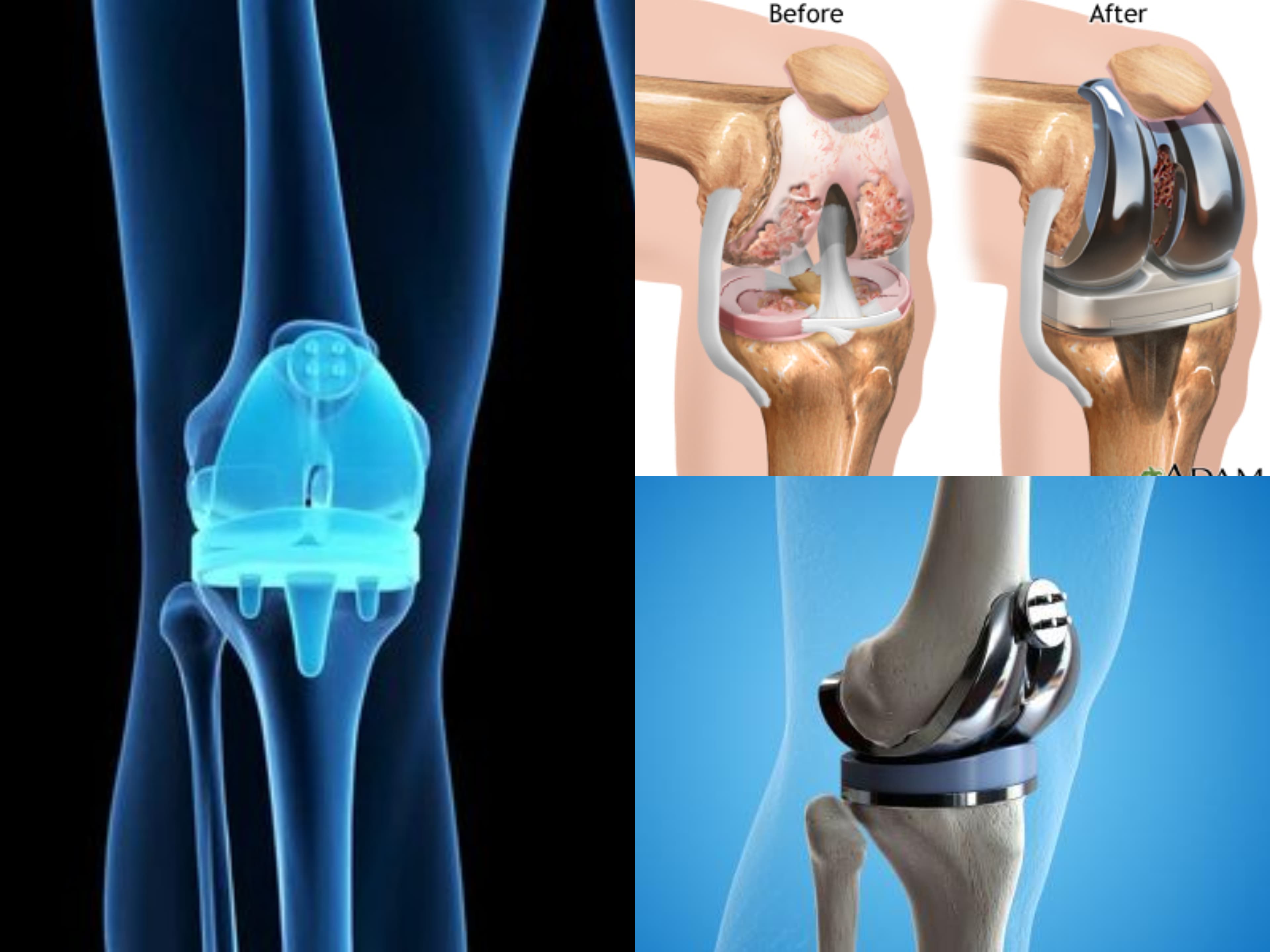
Procedure visual guide
Knee Replacement: What to Know
See an overview of knee replacement and the joint involved. Your orthopaedic specialist can explain how the procedure and treatment options apply to you.